
A vacant rental property can quickly become expensive for a landlord.
Even in a competitive rental market like Sydney, leaving a property empty for several weeks means missed rental income while expenses such as mortgage repayments, council rates, strata fees, insurance and maintenance may continue.
That is why one of the most important questions for Sydney property investors is:
How can I reduce vacancy periods for my rental property?
The answer is not simply to advertise the property and wait for applications.
Reducing rental vacancy requires the right combination of accurate pricing, strong presentation, professional marketing, responsive property management, good tenant relationships and careful planning before a tenancy ends.
Sydney’s rental market remains relatively tight in 2026, but tenants have gained slightly more choice compared with earlier periods. Recent market data showed Sydney’s residential vacancy rate at around 1.7% in August 2026, while the number of available rental properties had increased compared with the previous year. This makes correct pricing and presentation increasingly important for landlords.
In this guide, we explain practical ways landlords can reduce vacancy periods for Sydney rental properties, attract suitable tenants and protect the long-term performance of their investment.
What Is a Rental Vacancy Period?
A vacancy period is the amount of time an investment property remains without a paying tenant.
For example, a vacancy can occur when:
- A tenant moves out at the end of a lease
- A tenant breaks a lease
- A property is being advertised for the first time
- Renovations delay re-letting
- The asking rent is too high
- The property is not presented well
- Marketing begins too late
- Tenant applications take too long to process
Some vacancy between tenancies may be unavoidable.
However, extended vacancy can often be reduced with better preparation.
The objective should not be to accept the first tenant who applies simply to avoid an empty property.
Instead, landlords should aim to find a suitable tenant within a reasonable timeframe while maintaining appropriate screening standards.
Why Reducing Vacancy Matters
Vacancy affects more than immediate rental income.
Longer vacancy periods can also reduce the overall return of an investment property.
A landlord may still need to cover:
- Loan repayments
- Council rates
- Strata levies
- Landlord insurance
- Maintenance
- Utilities where applicable
- Property management expenses
- Repairs
- Compliance costs
There is also another important issue.
If a property remains advertised for a long period, prospective tenants may begin asking why nobody has rented it.
That can weaken the property’s perceived appeal.
A well-planned leasing campaign aims to create strong interest early, while the property is still fresh on the market.
1. Set the Right Asking Rent From the Beginning
One of the most common causes of rental vacancy is incorrect pricing.
Many landlords understandably want to achieve the highest possible rental return.
However, setting the asking rent significantly above comparable properties can result in fewer enquiries, fewer inspections and fewer suitable applications.
A property that remains vacant while waiting for a slightly higher rent may ultimately cost more in lost income than the landlord would have gained from the higher weekly amount.
When determining the asking rent, consider:
- Similar properties currently available
- Recently leased comparable properties
- Bedroom and bathroom count
- Parking
- Property condition
- Location
- Transport access
- Outdoor space
- Building facilities
- Local tenant demand
- Time of year
The right rental price is not simply the highest advertised figure in the suburb.
It should reflect what suitable tenants are prepared to pay for that specific property in the current market.
A local property manager can help assess comparable rentals and current enquiry levels before the property is advertised.
2. Review the Rent Before the Existing Tenant Leaves
Do not wait until the property is vacant before deciding what the next asking rent should be.
Review the market in advance.
This gives you time to compare competing properties and prepare the advertising campaign.
It can also help you decide whether retaining the current tenant is preferable to finding a new one.
NSW rental laws currently limit rent increases to once every 12 months, and landlords or agents generally need to provide at least 60 days’ written notice when increasing rent.
Landlords should therefore plan rental reviews carefully and ensure any increase complies with current NSW tenancy requirements.
3. Start Preparing Before the Property Becomes Vacant
One of the best ways to reduce vacancy is to prepare early.
If the existing tenant has confirmed they are leaving, your property manager can begin organising the transition before the final day of the tenancy.
This may include:
- Reviewing the rental price
- Checking available comparable properties
- Preparing advertising copy
- Arranging photography where legally permitted
- Scheduling maintenance
- Confirming inspection availability
- Preparing application processes
- Identifying any repairs required before re-letting
Under NSW access rules, landlords and agents may show a rental property to prospective tenants during the last 14 days before the existing tenancy is due to end, provided reasonable notice is given.
This can create opportunities to secure the next tenant before the previous tenant has completely moved out.
4. Make a Strong First Impression Online
Most prospective tenants will first discover your property online.
That means your listing needs to perform well before someone ever attends an inspection.
A strong rental listing should include:
- High-quality photographs
- A clear headline
- Accurate property details
- Bedroom and bathroom information
- Parking details
- Key property features
- Transport information
- Local amenities
- Inspection times
- Clear application instructions
Avoid vague descriptions.
Instead of simply saying:
“Great property in a convenient location”
explain what actually makes the property convenient.
For example:
- Walking distance to the train station
- Close to local shops
- Nearby schools
- Secure parking
- Separate study
- Air conditioning
- Balcony or courtyard
- Built-in wardrobes
- Modern kitchen
- Internal laundry
Specific information helps prospective tenants determine whether the property suits their needs before attending an inspection.
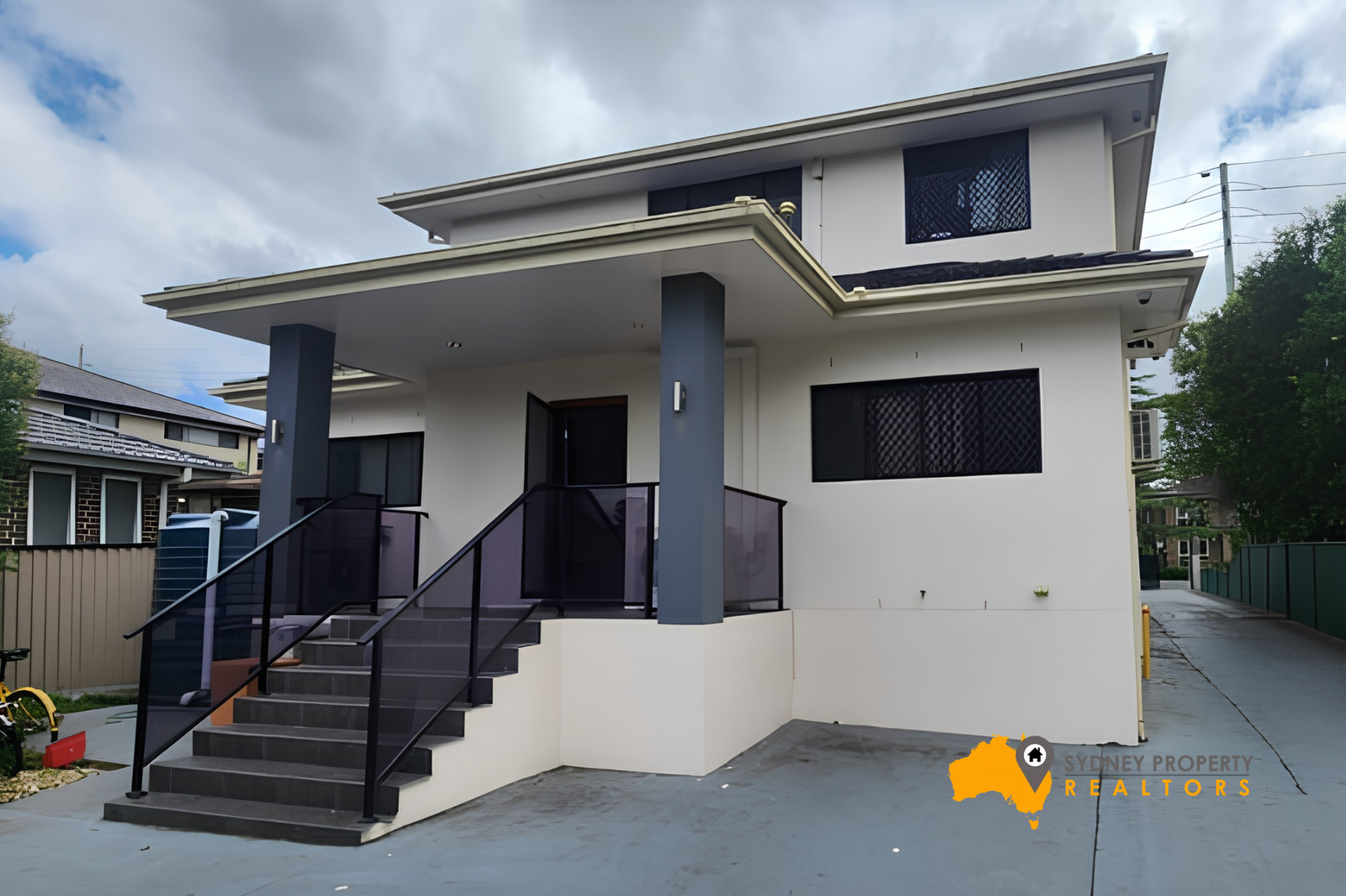
5. Use Professional Rental Photography
Poor-quality photos can reduce tenant interest even when the property itself is attractive.
Dark, blurry or poorly framed images may make rooms appear smaller or less appealing.
Professional or high-quality property photography can help demonstrate:
- Natural light
- Room proportions
- Layout
- Outdoor areas
- Renovated features
- Storage
- Views
- Overall presentation
The first image is particularly important because it often determines whether someone clicks on the listing.
Choose a strong hero image that represents the property’s main selling point.
For one property this may be the living area.
For another it may be the kitchen, outdoor space or exterior.
6. Keep the Property Clean and Well Presented
Presentation matters just as much for rental properties as it does for homes being sold.
Prospective tenants may compare several similar properties during the same week.
A clean and well-maintained home can stand out immediately.
Before inspections, consider:
- Professional cleaning
- Carpet cleaning if required
- Cleaning windows
- Removing mould or mildew
- Tidying outdoor areas
- Mowing lawns
- Repairing damaged fittings
- Replacing broken lights
- Touching up damaged paint
- Ensuring appliances are clean
- Removing unnecessary items
The property does not need to be luxurious.
It needs to look clean, functional and well cared for.
7. Complete Repairs Quickly
Maintenance delays can increase vacancy periods.
If prospective tenants see leaking taps, damaged doors, faulty lights, broken blinds or other obvious issues, they may question how responsive the landlord will be after they move in.
Whenever possible, identify maintenance requirements before the property is advertised.
Common items to check include:
- Plumbing
- Lighting
- Doors and locks
- Smoke alarms
- Appliances
- Heating and cooling
- Hot water
- Windows
- Blinds
- Flooring
- Fences
- Gardens
NSW landlords have legal obligations regarding rental-property maintenance and repairs, so keeping the property in appropriate condition is not simply a marketing strategy.
Prompt maintenance can also help retain good tenants, which is often the most effective vacancy-reduction strategy of all.
8. Make Inspections Easy to Attend
A well-advertised property can still remain vacant if prospective tenants cannot easily inspect it.
Offering practical inspection options can increase attendance.
Depending on the property and management arrangement, this may include:
- Weekday inspections
- After-work inspections
- Saturday inspections
- Scheduled open homes
- Private inspections where appropriate
Prospective tenants may be inspecting multiple properties at once.
Making the process convenient can improve your chances of receiving applications quickly.
9. Respond to Enquiries Quickly
Rental enquiries are time-sensitive.
A prospective tenant who does not receive a response may simply move on to another property.
Efficient property management should include quick responses to questions about:
- Inspection times
- Availability dates
- Lease terms
- Parking
- Pets
- Applications
- Property features
Communication should continue after inspections as well.
Applicants should understand what documents are required and how the application process works.
A smooth process can reduce unnecessary delays between enquiry, inspection, application and lease signing.
10. Make the Application Process Simple
An unnecessarily complicated rental application process can discourage good applicants.
The process should be structured, secure and easy to understand.
Applicants should know:
- What information is required
- What identification is needed
- How references will be checked
- When they can expect a response
- What happens after approval
At the same time, landlords should not reduce screening standards simply to fill the property faster.
The goal is not just low vacancy.
It is low vacancy combined with appropriate tenant selection.
11. Screen Tenants Carefully
A rushed tenant-selection decision can create larger problems later.
A professional tenant-screening process may review:
- Rental history
- Employment
- Income
- References
- Identification
- Ability to meet rental obligations
- Previous tenancy conduct
The objective should be to assess applications consistently and fairly.
A reliable tenant who remains in the property, pays rent appropriately and takes reasonable care of the home can be far more valuable over time than repeatedly replacing tenants.
12. Focus on Tenant Retention
The easiest vacancy period to reduce is the one that never occurs.
Keeping good tenants can significantly reduce:
- Advertising expenses
- Leasing expenses
- Cleaning between tenancies
- Inspection downtime
- Lost rental income
- Administration
Tenant retention does not mean avoiding appropriate rental reviews or ignoring investment performance.
It means creating a professional rental experience.
Good tenant retention can be supported through:
- Clear communication
- Timely repairs
- Respecting tenant privacy
- Reasonable lease management
- Professional inspections
- Responding to concerns
- Keeping the property maintained
Good tenants are more likely to remain in properties where maintenance and communication are handled professionally.
13. Discuss Lease Renewal Early
Do not wait until the final week of a lease to ask whether the tenant intends to stay.
Planning early gives both landlord and tenant clarity.
A property manager can review:
- The tenant’s history
- Current market conditions
- Lease expiry date
- Future rental strategy
- Maintenance requirements
- Owner plans
If the tenant intends to leave, early communication gives you more time to organise re-letting.
If the tenant wants to stay, it may allow a new agreement to be arranged without any vacancy at all.
Current NSW tenancy laws have changed significantly in recent years. Since May 2025, landlords generally need a valid reason when ending a tenancy rather than relying on no-grounds termination.
Landlords should therefore make tenancy decisions with current legal requirements in mind.
14. Avoid Scheduling Lease Expiry at Difficult Times
Lease timing can affect vacancy.
Demand can vary throughout the year depending on location, property type and tenant demographic.
For example, some rental markets experience higher tenant movement around:
- Start of the year
- University periods
- Employment relocation periods
- School-year transitions
Other times may be quieter.
When choosing lease lengths, consider when the agreement will expire.
Avoid automatically choosing the same lease duration every time without considering the future leasing period.
Your local property manager can help identify typical leasing patterns in your suburb.
15. Understand What Your Target Tenant Wants
Different properties attract different tenant groups.
A one-bedroom apartment near a transport hub may appeal to a different tenant than a four-bedroom house in a family-oriented suburb.
Understanding the likely tenant helps you present the property properly.
For Professionals
Features may include:
- Transport
- Work-from-home space
- Secure parking
- Low-maintenance living
- Internet connectivity
For Families
They may pay attention to:
- Bedrooms
- Storage
- Schools
- Outdoor areas
- Parking
- Parks
- Practical floor plans
For Apartment Renters
Important features may include:
- Security
- Lift access
- Parking
- Balcony
- Building facilities
- Transport
- Storage
Marketing should highlight the features most relevant to the people likely to rent the property.
16. Consider Small Improvements Between Tenancies
A short vacancy between tenants can be an opportunity to improve the property.
You do not necessarily need a major renovation.
Small improvements can make the property more attractive.
Examples include:
- Fresh paint
- Updated lighting
- New blinds
- Improved storage
- Updated door handles
- Garden improvements
- Replacing worn flooring
- Improving ventilation
- Modernising older fixtures
The objective is to improve appeal without completing unnecessary work that delays the property returning to market.
Ask your property manager which improvements are likely to matter most to renters in your area.

17. Don’t Overcapitalise on Rental Upgrades
Not every expensive improvement will produce a proportionate increase in rent or reduce vacancy.
Before investing in renovations, consider:
- Target tenant
- Local rental competition
- Expected rent
- Property type
- Existing condition
- Cost of the upgrade
- Time needed to complete the work
For example, improving an outdated but functional feature may be worthwhile.
Completely rebuilding an already acceptable feature simply to make it more luxurious may not deliver the same benefit.
Focus on improvements that increase:
Functionality + presentation + tenant appeal.
18. Keep Your Rental Listing Accurate
Incorrect information can waste both your time and the prospective tenant’s time.
Make sure the listing correctly states:
- Property type
- Bedroom count
- Bathroom count
- Parking
- Availability
- Inspection arrangements
- Property features
- Lease details where appropriate
There are also specific NSW advertising rules that landlords and agents must follow.
For example, rental advertisements cannot invite or encourage rent bidding, and landlords or agents cannot advertise a property by stating that pets are not allowed.
Keeping advertising accurate and compliant helps create a smoother leasing process.
19. Monitor Enquiry After the Property Goes Live
Do not simply publish the listing and review it several weeks later.
The first few days can provide valuable information.
Track:
- Number of online views
- Enquiries
- Inspection registrations
- Inspection attendance
- Applications
- Applicant feedback
The listing receives many views but few enquiries, the asking rent or advertising presentation may need attention if.
If enquiries are strong but inspection attendance is low, the inspection schedule may be inconvenient.
If inspections are well attended but nobody applies, there may be an issue with:
- Price
- Property condition
- Layout
- Competition
- Application process
A proactive property manager should interpret this feedback quickly rather than waiting for the property to remain vacant.
20. Compare Against Competing Rentals
Your property does not operate in isolation.
Prospective tenants are comparing it against other available homes.
Regularly review properties with similar:
- Location
- Bedrooms
- Bathrooms
- Parking
- Condition
- Features
Ask:
If I were a tenant choosing between these properties, why would I choose mine?
If the answer is unclear, the campaign may need adjustment.
This does not always mean reducing rent.
Sometimes stronger photography, better presentation, clearer advertising or improved inspection access can solve the problem.
21. Use an Experienced Sydney Property Manager
Reducing vacancy requires ongoing decision-making.
An experienced local property manager can assist with:
- Rental appraisals
- Market research
- Advertising
- Professional photography
- Inspection scheduling
- Tenant enquiries
- Application processing
- Tenant screening
- Lease preparation
- Maintenance
- Rent reviews
- Tenant retention
- Compliance
A good property manager should not simply collect rent.
They should actively manage the property’s leasing performance.
This becomes especially important when Sydney’s rental market changes.
While vacancy remains relatively tight, recent 2026 figures suggest tenants have slightly more choice than they did previously, meaning landlords cannot rely entirely on market scarcity to secure tenants quickly.
How Long Should a Sydney Rental Property Be Vacant?
There is no universal ideal number of days.
Vacancy depends on:
- Suburb
- Property type
- Asking rent
- Time of year
- Presentation
- Competition
- Tenant demand
A high-quality, correctly priced rental may attract applications quickly.
Other properties may require additional time, particularly if they are highly specialised or competing with many similar listings.
Instead of focusing on an arbitrary number of days, landlords should monitor the leasing campaign.
If interest is weaker than expected, identify the reason quickly.
Should You Reduce the Rent if the Property Is Vacant?
Possibly, but not automatically.
Start by reviewing:
- Comparable rentals
- Enquiry
- Inspection attendance
- Tenant feedback
- Property presentation
- Advertising quality
- Current local competition
If comparable properties are leasing while yours is receiving little interest, pricing may be the issue.
A rental reduction should therefore be based on evidence rather than panic.
The financial impact of continued vacancy should also be considered.
Holding out for a higher weekly rent may not make financial sense if it results in a long period without rental income.
Frequently Asked Questions
How can I reduce vacancy on my Sydney rental property?
Start by setting a realistic asking rent, preparing the property before the existing tenant leaves, marketing it professionally, completing repairs quickly and responding to tenant enquiries promptly.
Why is my rental property not getting applications?
Common reasons include an asking rent above the current market, poor photographs, inconvenient inspection times, property-condition issues or strong competing listings.
Should I lower the rent to find tenants faster?
Not necessarily. First compare the property with similar available rentals and review enquiry levels. If evidence suggests the property is overpriced, adjusting the asking rent may reduce vacancy.
Is Sydney still experiencing low rental vacancy?
Sydney’s rental vacancy rate remained relatively tight in 2026, although available stock increased compared with the previous year. August 2026 figures placed the vacancy rate around 1.7%, suggesting tenants have somewhat more choice than previously.
Can I advertise a property before the tenant moves out?
Yes, but NSW rules regulate access to occupied rental properties. Prospective-tenant inspections can generally occur during the final 14 days before a tenancy is due to end, with reasonable notice.
How often can I increase rent in NSW?
Rent increases are generally limited to once every 12 months, including for fixed-term and periodic agreements. Appropriate written notice requirements also apply.
Is keeping an existing tenant better than finding a new tenant?
It can be. A good existing tenant can eliminate vacancy, advertising and re-letting costs. However, the decision should also consider the tenant’s history, current market conditions and the owner’s future plans.
Does professional property management reduce vacancy?
Experienced property managers can help reduce unnecessary vacancy through accurate pricing, early lease planning, better marketing, faster enquiry responses and efficient tenant screening.
Final Thoughts: Reducing Rental Vacancy in Sydney
Reducing vacancy does not mean accepting any tenant as quickly as possible.
It means creating an efficient leasing strategy that attracts suitable tenants while protecting the long-term performance of your investment property.
The most effective approach usually combines:
- Accurate market pricing
- Early preparation
- Strong property presentation
- Professional photography
- Effective advertising
- Flexible inspections
- Fast communication
- Careful tenant screening
- Prompt maintenance
- Tenant retention
- Early lease-renewal planning
Sydney’s rental market remains competitive, but landlords should not assume every property will lease immediately.
As rental supply and tenant choice change, professional pricing and property management become even more important.
If your Sydney investment property is currently vacant, your tenant is preparing to leave, or you want to reduce vacancy at your next lease renewal, reviewing your rental strategy early can make a significant difference.
Need help managing your Sydney rental property? Contact SydneyRealtor for professional property management, rental appraisals and local advice designed to help minimise vacancy and protect your investment.