
Buying property in Sydney is a major financial decision, and a thorough property evaluation is essential before you commit. While a property may look appealing at first glance, hidden issues can lead to unexpected costs and long-term stress.
Whether you’re a first-home buyer, upgrader or investor, these practical inspection tips will help you assess a property properly and make a confident, informed decision.
1. Inspect the Property’s Overall Condition
Start by assessing the general condition of the home:
- Look for cracks in walls, ceilings and foundations
- Check doors and windows for proper alignment and ease of use
- Inspect floors for uneven surfaces or damage
- Watch for signs of water damage, mould or damp smells
Structural issues can be costly to fix, so identifying them early is critical.
🔧 2. Check Plumbing, Electrical & Fixtures
During an inspection, don’t overlook essential services:
- Turn taps on and off to check water pressure
- Look under sinks for leaks or water stains
- Test light switches and power points
- Check the hot water system’s age and condition
Old or faulty systems can mean immediate repair or replacement costs after purchase.
3. Examine Walls, Roof & Exterior
External areas often reveal important clues about a property’s condition:
- Inspect the roof for damaged tiles or rust
- Look at gutters and downpipes for blockages or sagging
- Check brickwork, paintwork and fences
- Assess drainage around the property
Poor exterior maintenance can signal larger structural or moisture issues.
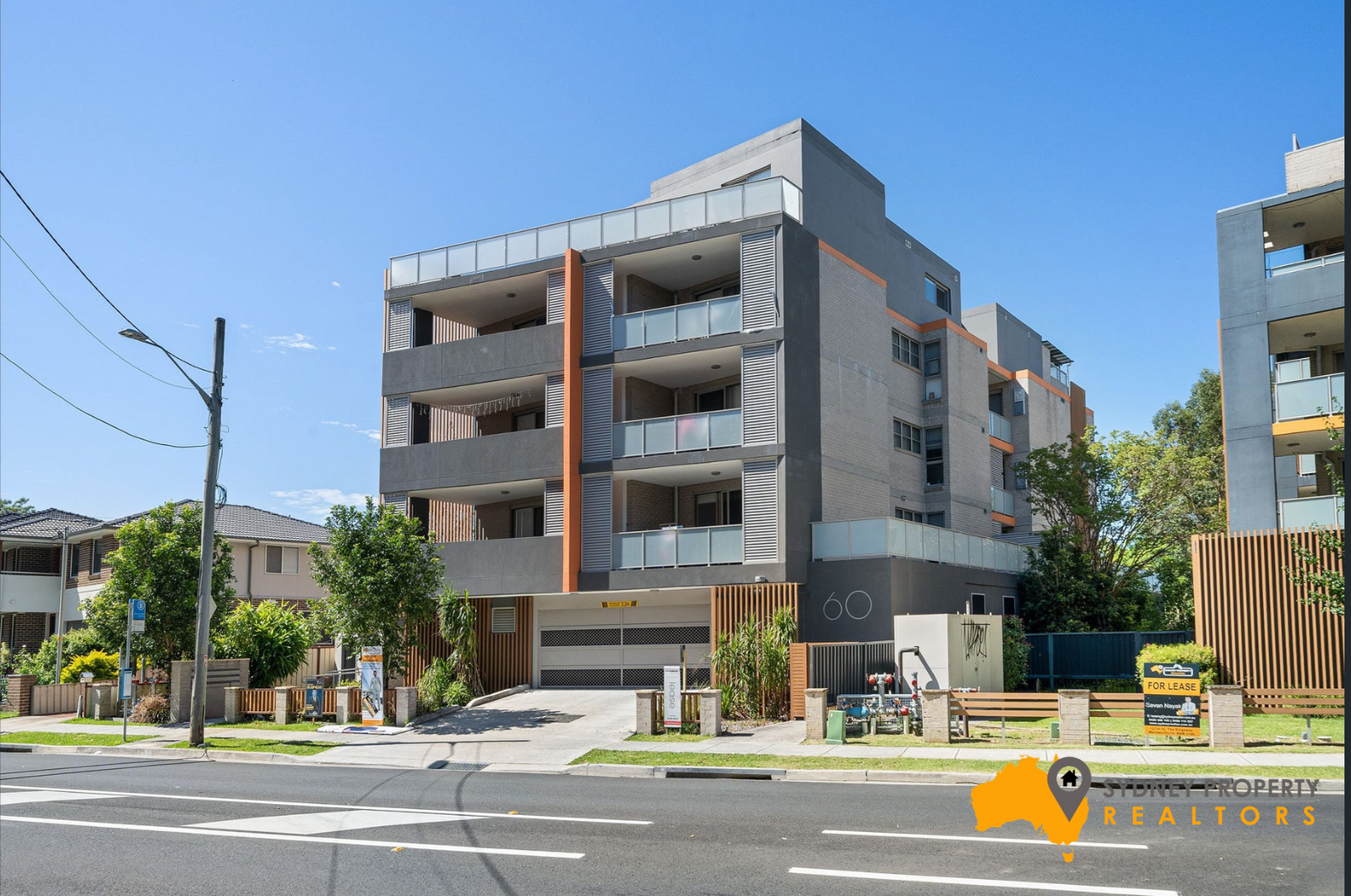
4. Assess Natural Light, Ventilation & Layout
A good layout can greatly impact comfort and resale value:
- Does the home receive natural light throughout the day?
- Is there good airflow and ventilation?
- Are rooms functional and well-proportioned?
- Is there enough storage space?
Well-designed properties are easier to live in and often perform better in the market.
5. Evaluate the Location & Neighbourhood
The property itself is only part of the decision — location matters just as much:
- Proximity to public transport, schools and shops
- Traffic noise, nearby construction or busy roads
- Street appeal and surrounding properties
- Parking availability
Visit the area at different times of day to understand noise levels and local activity.
6. Review Strata & Legal Documents (If Applicable)
For apartments and townhouses, always review strata records:
- Strata fees and sinking fund balance
- Planned maintenance or special levies
- Building defects or disputes
- By-laws that may affect lifestyle or rentals
This information can significantly impact future costs and enjoyment of the property.
7. Arrange a Professional Building & Pest Inspection
A licensed building and pest inspection is one of the smartest steps before buying. It can uncover:
- Termite activity
- Structural defects
- Safety hazards
- Maintenance issues
This report can also help with price negotiations or deciding whether to proceed.
8. Compare Price With Market Value
Don’t rely solely on the asking price. Compare the property with:
- Recent sales in the same suburb
- Similar property types and sizes
- Market conditions and demand
Understanding market value helps ensure you’re not overpaying — especially in competitive Sydney suburbs.
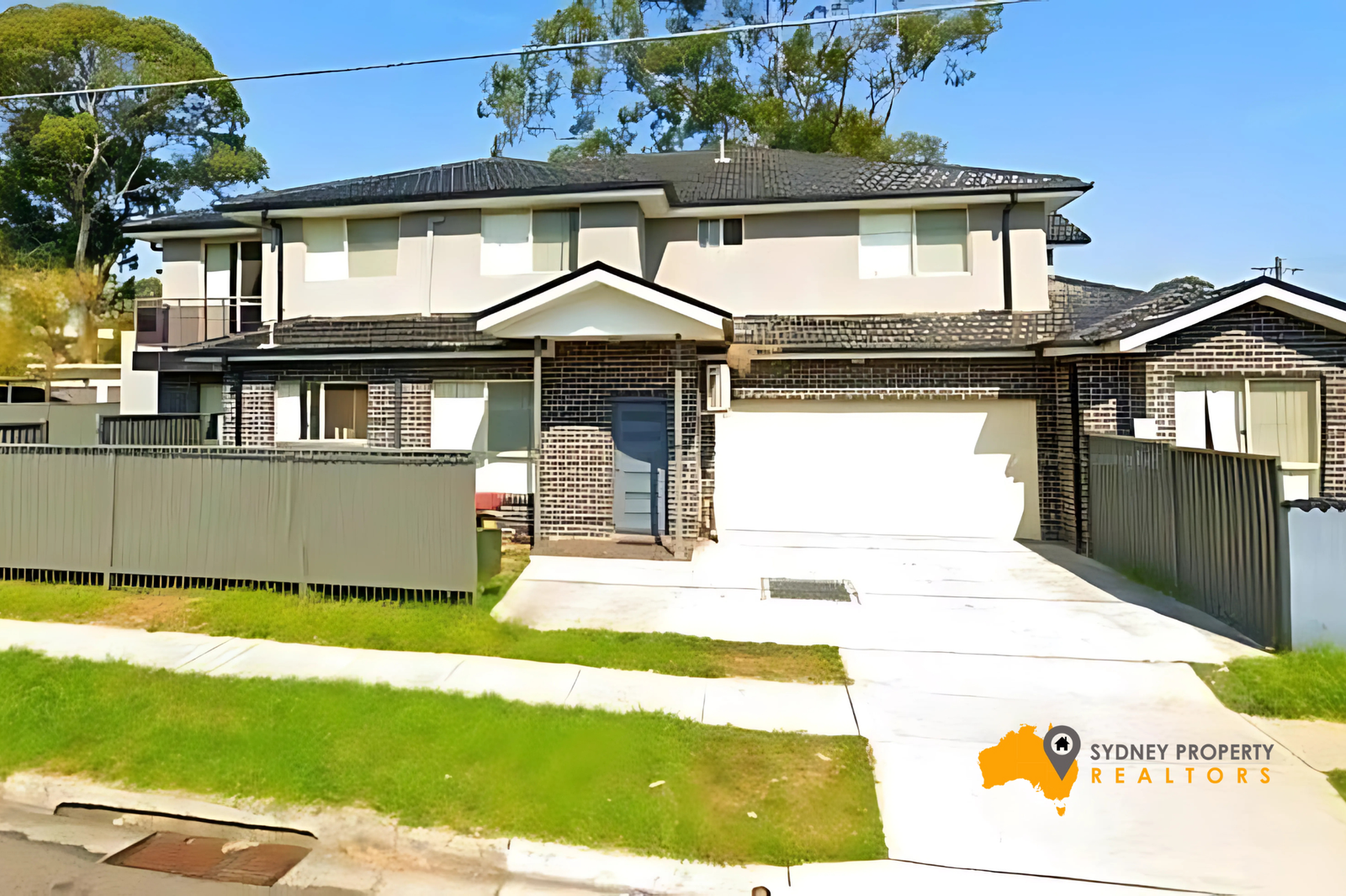
9. Think Long-Term
Ask yourself:
- Will this property suit my needs in 5–10 years?
- Is there potential for future growth or improvement?
- Could I easily rent or resell it if needed?
A smart purchase balances current lifestyle needs with long-term value.
Final Thoughts
Evaluating a property properly before buying can save you thousands of dollars and years of regret. By inspecting the condition, understanding the location, reviewing documents and seeking professional advice, you can buy with confidence in Sydney’s fast-moving property market.
At Sydney Realtor, we help buyers navigate inspections, market value and suburb insights — ensuring you make informed decisions every step of the way.