
Sydney has always been Australia’s global gateway. Every year, thousands of migrants, international students, and skilled workers choose Sydney to live, work, and study. But in recent years, immigration has surged — and it’s now one of the biggest drivers of Sydney’s housing demand.
For buyers, investors, and sellers, understanding how migration affects property prices and rental demand is essential in 2026.
In this article, we explore how immigration shapes Sydney’s property market, where migrants choose to live, and what this means for future property prices and investment opportunities.
Why Immigration Matters to the Property Market
Housing demand comes from people — and Sydney’s population growth is heavily influenced by migration.
Australia’s population growth has three main sources:
• Natural population growth (births minus deaths)
• Interstate migration
• Overseas migration (immigration)
Right now, overseas migration is the dominant driver of population growth, and most new arrivals choose Sydney or Melbourne as their first destination.
This means migration has a direct and immediate impact on both the rental and property markets.
Record Migration Levels After the Pandemic
Following border closures during the pandemic, Australia reopened to the world — and migration surged.
Key migration drivers include:
- Skilled worker visas
- International students returning
- Family reunification programs
- Global talent visas
Sydney remains the top destination due to its:
✔ Strong job market
✔ World-class universities
✔ Multicultural lifestyle
✔ Global business hub status
This surge in arrivals has dramatically increased housing demand across the city.
How Immigration Affects Rental Demand First
New migrants typically rent before buying property.
This creates an immediate surge in rental demand.
Why migrants rent first:
• Time needed to settle and find work
• Build savings and credit history
• Understand suburbs and lifestyle options
Because of this, immigration impacts the rental market first, then the buyer market later.
Sydney Rental Market: Immigration Impact
Sydney is currently experiencing one of the tightest rental markets in history.
Key trends driven by migration:
- Vacancy rates near record lows
- Intense competition for rentals
- Rapid rent increases
- Longer tenant retention
Many suburbs are seeing dozens of applicants per rental property.
This rental pressure is a direct result of increased migration combined with a shortage of new housing supply.
The Ripple Effect: Renters Become Buyers
Migration doesn’t just impact rentals — it also fuels future property buyers.
Typical migration timeline:
Year 1–3: Rent and settle
Year 3–7: Buy first home
Year 7+: Upgrade or invest
This means today’s migrants become tomorrow’s property buyers.
Sydney’s property market has historically benefited from this long-term demand pipeline.
Skilled Migration and Housing Demand
Australia prioritises skilled migrants, which has a major impact on housing demand.
Skilled migrants typically:
- Earn higher incomes
- Work in professional sectors
- Have strong long-term residency plans
Common industries include:
- Healthcare
- IT and technology
- Engineering
- Finance and business
- Construction and trades
These migrants have strong purchasing power and often transition into homeownership faster than other migrant groups.
International Students and the Housing Market
Sydney is one of the world’s most popular student cities.
Thousands of international students arrive each year to study at universities and colleges.
How students impact housing:
- High demand for apartments and shared housing
- Strong rental demand near universities
- Increased demand for public transport access
- Growth in inner-city and transport-hub suburbs
Many students later become skilled migrants, further increasing long-term housing demand.
Where Migrants Choose to Live in Sydney
Migrants often choose suburbs based on:
• Affordability
• Transport access
• Job proximity
• Established communities
• Schools and lifestyle amenities
Western Sydney – Migration Hotspot
Western Sydney attracts many new arrivals due to:
- More affordable housing
- Family-friendly communities
- Growing employment hubs
- Cultural diversity and support networks
Suburbs in the west and southwest continue to see strong population growth driven by migration.
Inner City & CBD Areas
Young professionals and students often choose:
- Apartments close to work and study
- Transport-connected suburbs
- Lifestyle-focused areas
This keeps demand strong for units and apartments.
Immigration and Sydney Property Prices
Migration increases housing demand in two stages:
Stage 1: Rental Pressure
Higher rental demand pushes rents upward.
Stage 2: Buyer Demand
Renters eventually become buyers, increasing property demand.
When supply cannot keep up, prices rise.
Sydney currently faces:
- Housing shortages
- Slow construction pipeline
- Rising population
This combination creates long-term upward pressure on property prices.
Housing Supply vs Population Growth
Sydney’s biggest challenge is simple:
Population growth is faster than housing supply.
Key supply constraints include:
• High construction costs
• Builder insolvencies
• Limited land availability
• Planning and approval delays
Even with new developments, housing supply is struggling to keep pace with migration.
This imbalance supports long-term price growth.
Why Investors Watch Migration Trends
Property investors closely monitor migration because it predicts:
✔ Rental demand
✔ Vacancy rates
✔ Future buyer demand
✔ Long-term capital growth
High migration typically signals a strong property market outlook.
Long-Term Impact of Immigration on Sydney Property
Historically, migration has been one of the strongest drivers of Sydney property growth.
Over decades, population growth has consistently led to:
- Rising property prices
- Strong rental demand
- Expansion of new suburbs
- Infrastructure development
Sydney’s global appeal suggests migration will remain strong for years to come.
Government Migration Policy and Housing
Australia’s migration program is designed to support economic growth.
Key focus areas include:
• Skilled worker shortages
• Healthcare and essential services
• Infrastructure and construction
• Technology and innovation
These policies ensure migration remains a long-term driver of housing demand.
Challenges Created by Migration
While migration boosts the property market, it also creates challenges:
1. Housing affordability pressure
More demand increases competition.
2. Rental affordability
Rents rise when supply is limited.
3. Infrastructure demand
More population requires more services.
These challenges highlight the importance of increasing housing supply.
Opportunities for Buyers and Investors
Immigration creates major opportunities in the property market.
Opportunity 1: Investing in High-Migration Areas
Suburbs attracting migrants often see strong rental demand and price growth.
Opportunity 2: Buying Before Demand Peaks
Early buyers benefit before migrants transition into homeownership.
Opportunity 3: Investing in Apartments and Townhouses
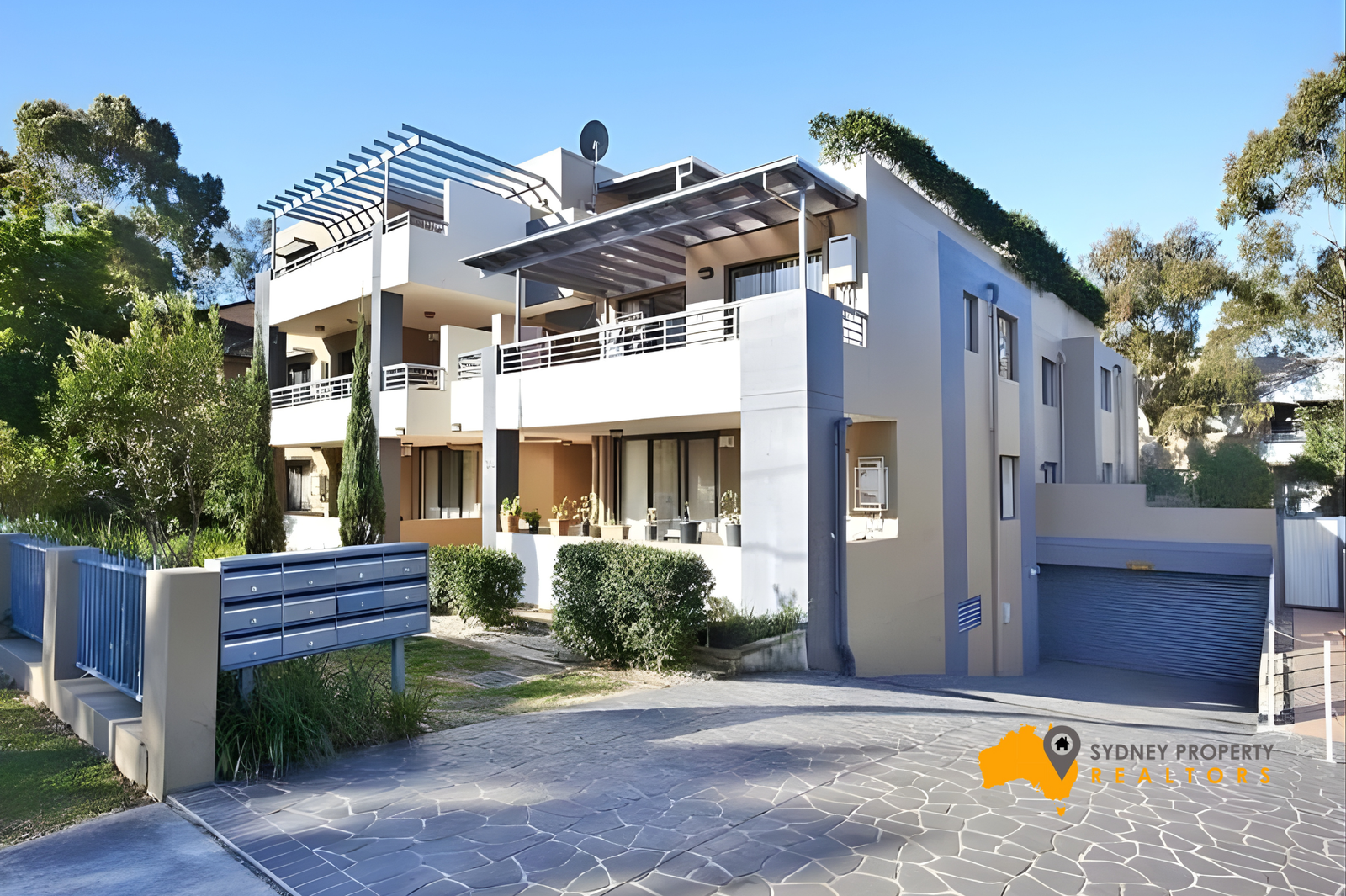
High-density housing meets migrant demand for affordability and convenience.
The 2026 Outlook: Immigration & Housing Demand
Looking ahead, immigration is expected to remain a key driver of Sydney’s property market.
Forecast trends:
✔ Continued population growth
✔ Strong rental demand
✔ Rising property prices
✔ Increased demand for affordable suburbs
Migration will continue shaping Sydney’s housing market for years to come.
Final Thoughts
Immigration plays a critical role in Sydney’s property market.
New arrivals fuel:
- Rental demand
- Future home buyers
- Long-term property price growth
Combined with limited housing supply, this makes immigration one of the most powerful forces shaping Sydney real estate in 2026 and beyond.
For buyers and investors, understanding this trend can help you make smarter property decisions and identify opportunities before the broader market reacts.